Patios and walkways are the two most common hardscape projects homeowners take on, and they share one critical truth: the surface you see is only as good as the base you don't. Get the base right and either one lasts for decades. Get it wrong and you'll be looking at heaved, uneven surfaces after the first hard winter.
Start With the Base
In the Hudson Valley, freeze-thaw cycles are brutal on hardscape. Water gets under a patio or walkway, freezes, expands, and lifts the surface. The defense is a properly compacted aggregate base that drains and doesn't hold water.
We excavate to the right depth, add compacted crushed stone in lifts, and grade for drainage so water runs off rather than pooling beneath the surface. This is the step that separates a patio that stays level from one that turns into a trip hazard.
Patio: Built to Gather On
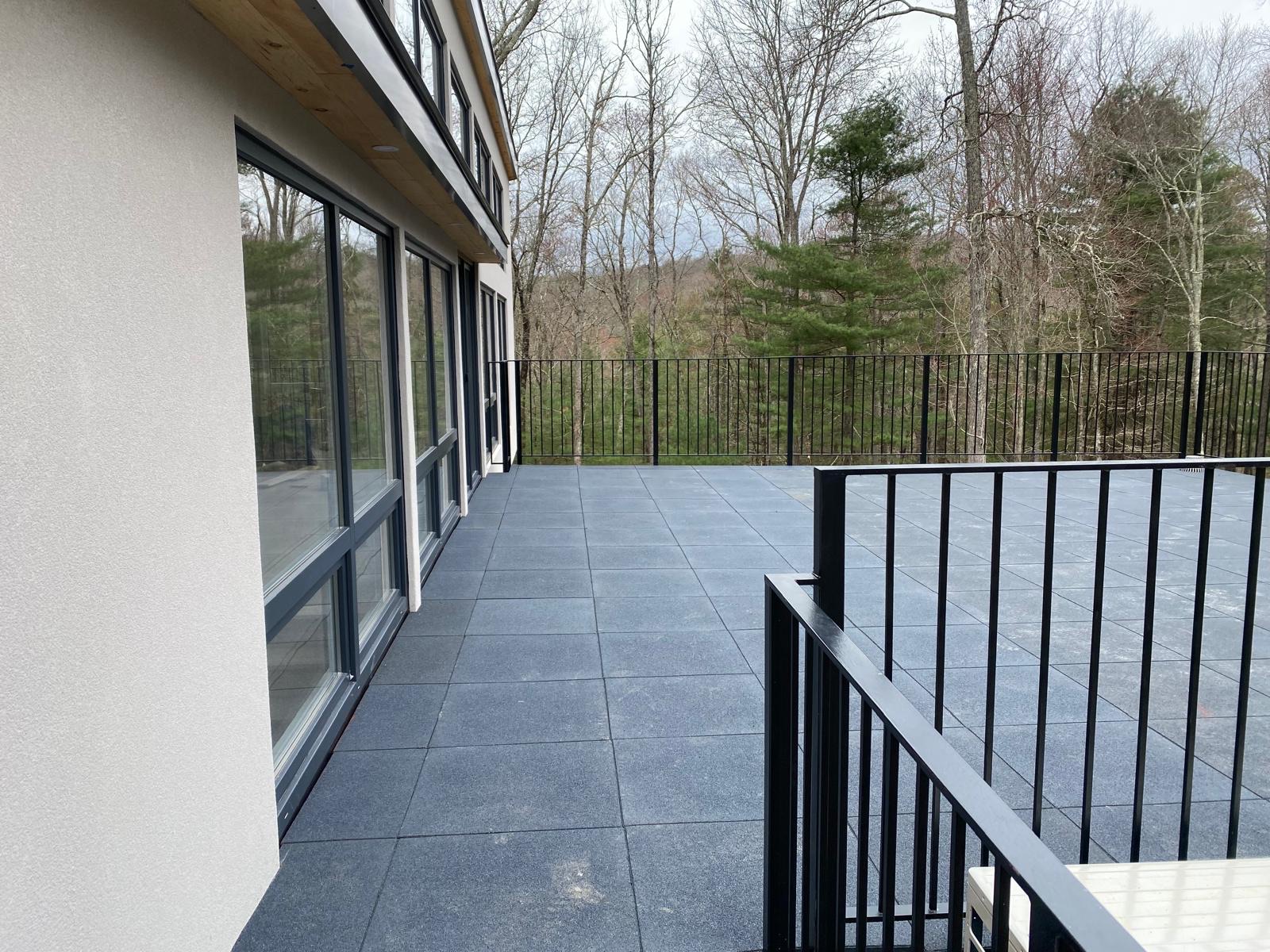
A patio is a destination — a place to sit, eat, and gather. That means it needs to be large enough for furniture and foot traffic, level enough for chairs to sit flat, and graded so water doesn't collect where people will be. Natural stone gives a premium, irregular look; concrete pavers offer clean patterns and easier repairs down the road.
Either material holds up well when the base is done right. The choice is mostly aesthetic. Our patio installation service handles both, with edge restraints and polymeric sand that lock the surface against weeds and washout.
Walkway: Built to Guide and Welcome
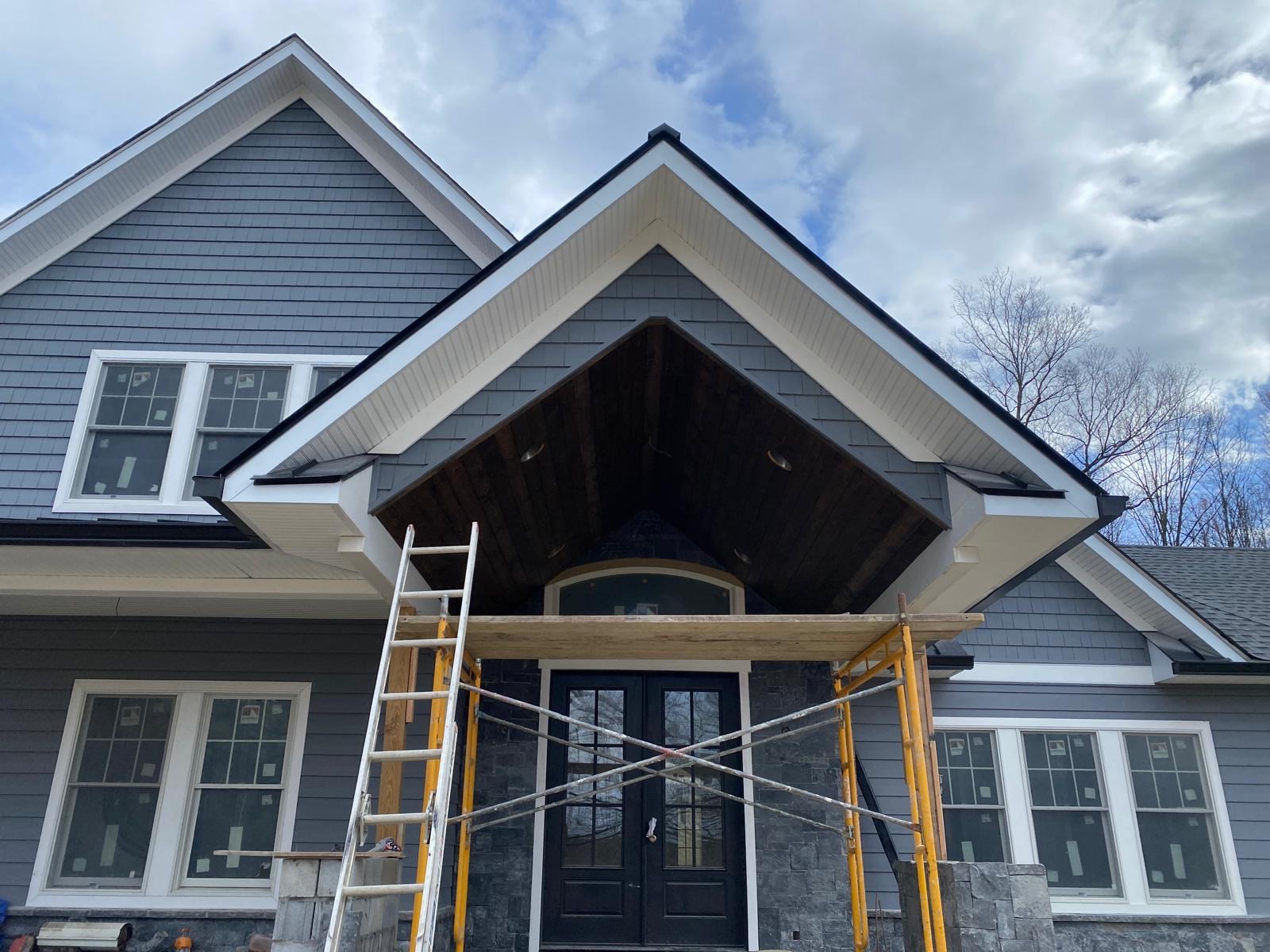
A walkway is about access and first impressions. It's one of the first things visitors notice and one of the most-used surfaces on the property. A walkway needs a gentle slope for drainage, a stable base so stones don't shift, and a layout that ties cleanly into existing steps and landings.
Flagstone gives a natural, irregular look that suits older or rural properties; pavers offer a crisp, uniform surface that works well for front entrances. Our walkway installation service builds both on the same properly prepared base.
Pavers vs. Poured Concrete
A common question is whether to use pavers or poured concrete. In our climate, pavers have a real advantage: they flex slightly with freeze-thaw, and individual units can be lifted and reset if one ever settles. Poured concrete is lower cost upfront but prone to cracking when the ground moves beneath it, and a crack in a slab is hard to repair invisibly.
For most homeowners in this region, pavers or natural stone are the more durable long-term choice.
Pairing Hardscape with Stone Walls
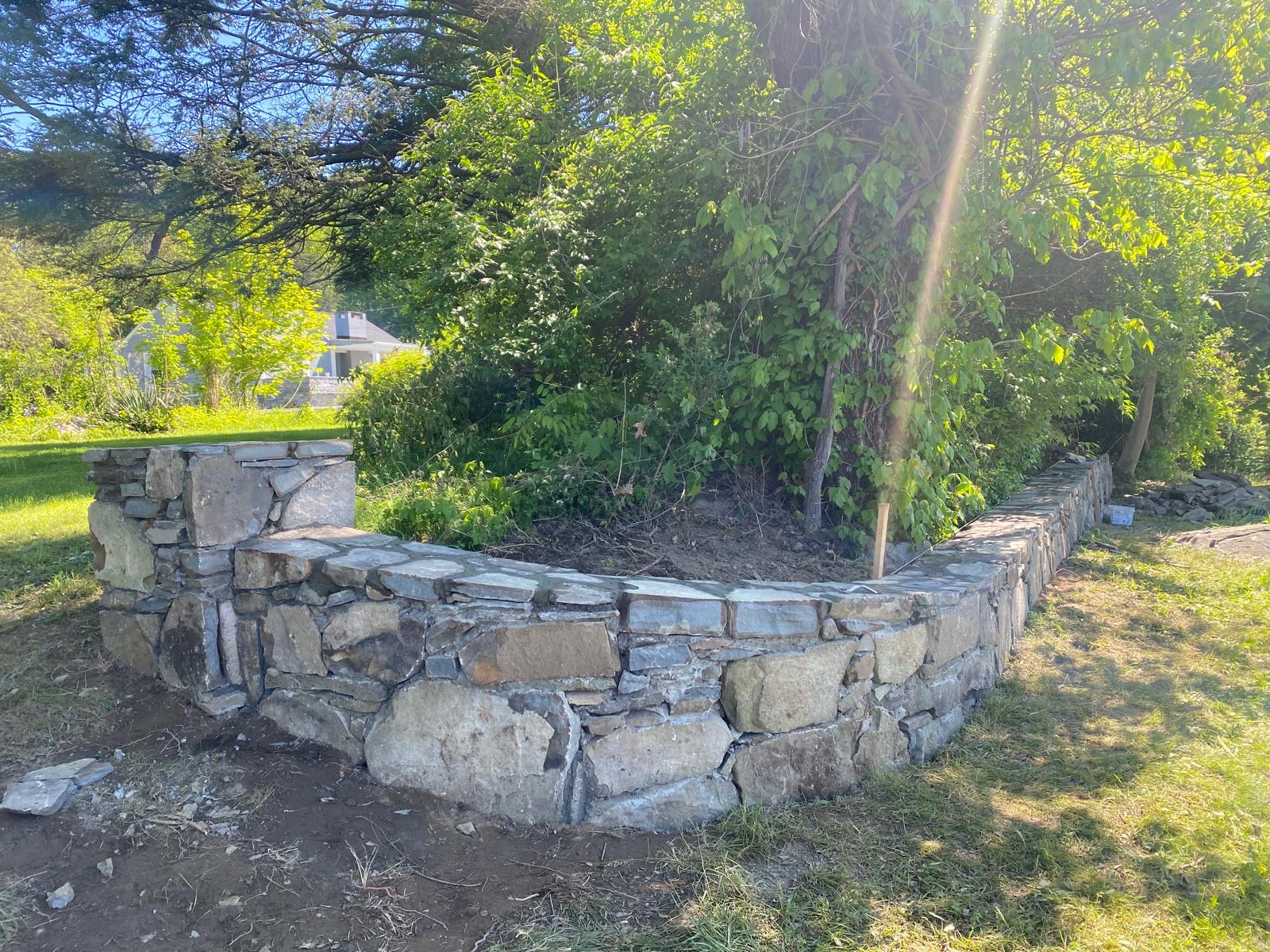
Patios and walkways often pair naturally with stone walls — a retaining wall to level a sloped yard for a patio, or a low landscape wall to edge a walkway. Planning them together lets the materials and levels work as one cohesive design rather than two separate projects. Our stone walls and masonry services fit alongside hardscape work for exactly this reason.
Planning a Patio or Walkway?
Whether you're adding a patio for outdoor living or a walkway to welcome guests, the base is what makes it last. We'll look at your yard, talk through materials and drainage, and give you a free estimate so you can plan with confidence.