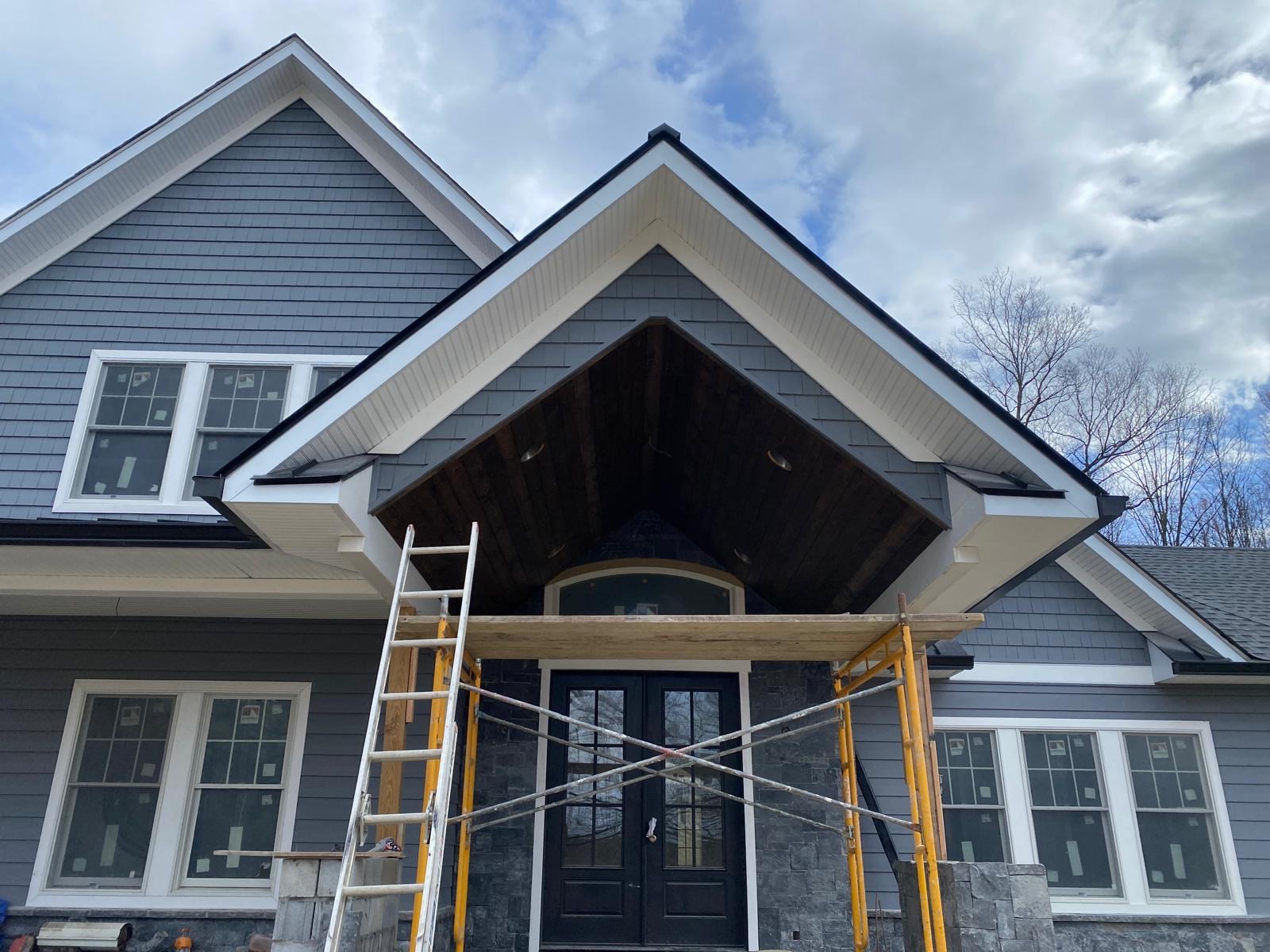
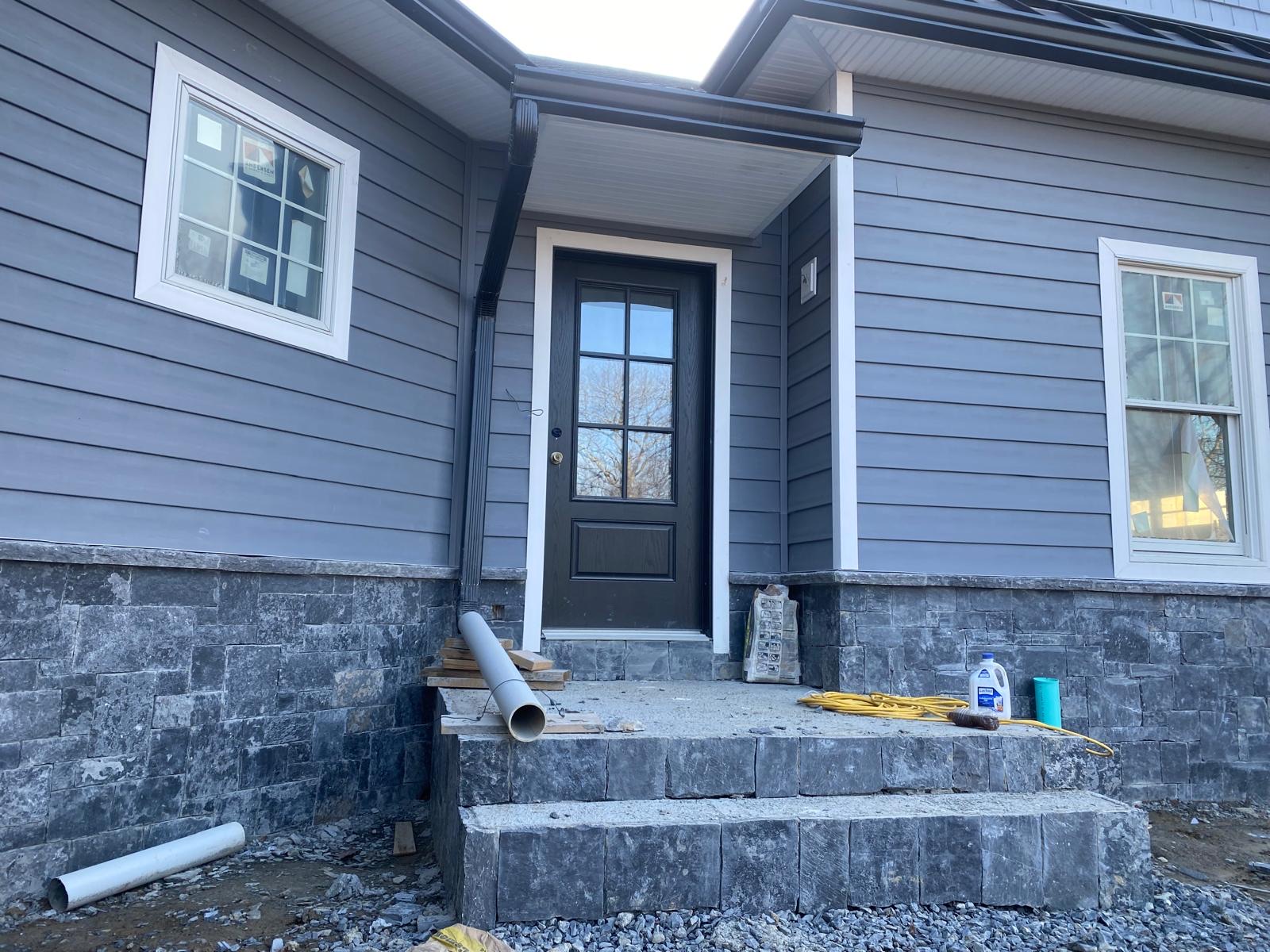
Siding does two jobs at once: it shields your home's structure from wind, rain, and UV, and it defines how the home looks from the curb. When it starts to fail, both protection and appearance suffer. The question is how to tell the difference between a repairable issue and a sign that full replacement is the better call.
Signs Your Siding May Need Replacement
Some siding problems are obvious — a storm-peeled panel or a visible crack. Others develop slowly. Watch for these signs:
- Warping, buckling, or panels that no longer sit flat against the wall.
- Cracks, chips, or impact damage that let water behind the siding.
- Fading and chalky residue that indicate the material is breaking down from UV exposure.
- Higher heating bills or drafts, which can point to gaps in the siding system.
- Soft or rotting areas on nearby trim, a sign moisture has reached the sheathing.
Isolated damage can often be repaired by matching a section. Widespread failure usually means the material is at the end of its life, and replacement is more cost-effective than patching.
The Weather Barrier Matters More Than the Panel
A common misconception is that the siding panel itself is the waterproof layer. It isn't. The panel sheds most water, but the real protection is the weather barrier — house wrap and flashing tape — installed behind the siding. A proper installation seals the gaps around windows, doors, and penetrations so water that gets behind the panels is directed out, not into the wall.
This is why a cheap siding job often fails: the panels look fine, but the barrier behind them was skipped or done poorly. Water gets in, and by the time you notice, the sheathing is damaged.
Vinyl vs. Fiber Cement
The two most common replacement options are vinyl and fiber cement. Vinyl is economical, low-maintenance, and available in a wide range of colors. Fiber cement offers a premium painted look, strong durability, and better resistance to impact and fire. Each has trade-offs in cost, maintenance, and appearance.
We install both and will walk you through the options based on your home, budget, and how much maintenance you want to take on. Our siding installation service covers the full system — sheathing, barrier, trim, and panels.
What a Proper Installation Includes
- Removal of old siding and inspection of the sheathing underneath.
- House wrap and flashing tape at windows, doors, and penetrations.
- Siding hung level with proper overlaps and expansion gaps so it doesn't buckle with temperature swings.
- Clean corners, J-channels, and trim cut and sealed to shed water.
- Soffit, fascia, and rake trim finished to match.
Wondering If It's Time?
If your siding is showing its age or you're planning a broader exterior refresh, we'll assess the condition, explain your options, and give you a free estimate. Sometimes a section repair is all you need; sometimes a full replacement saves money in the long run. We'll tell you which.