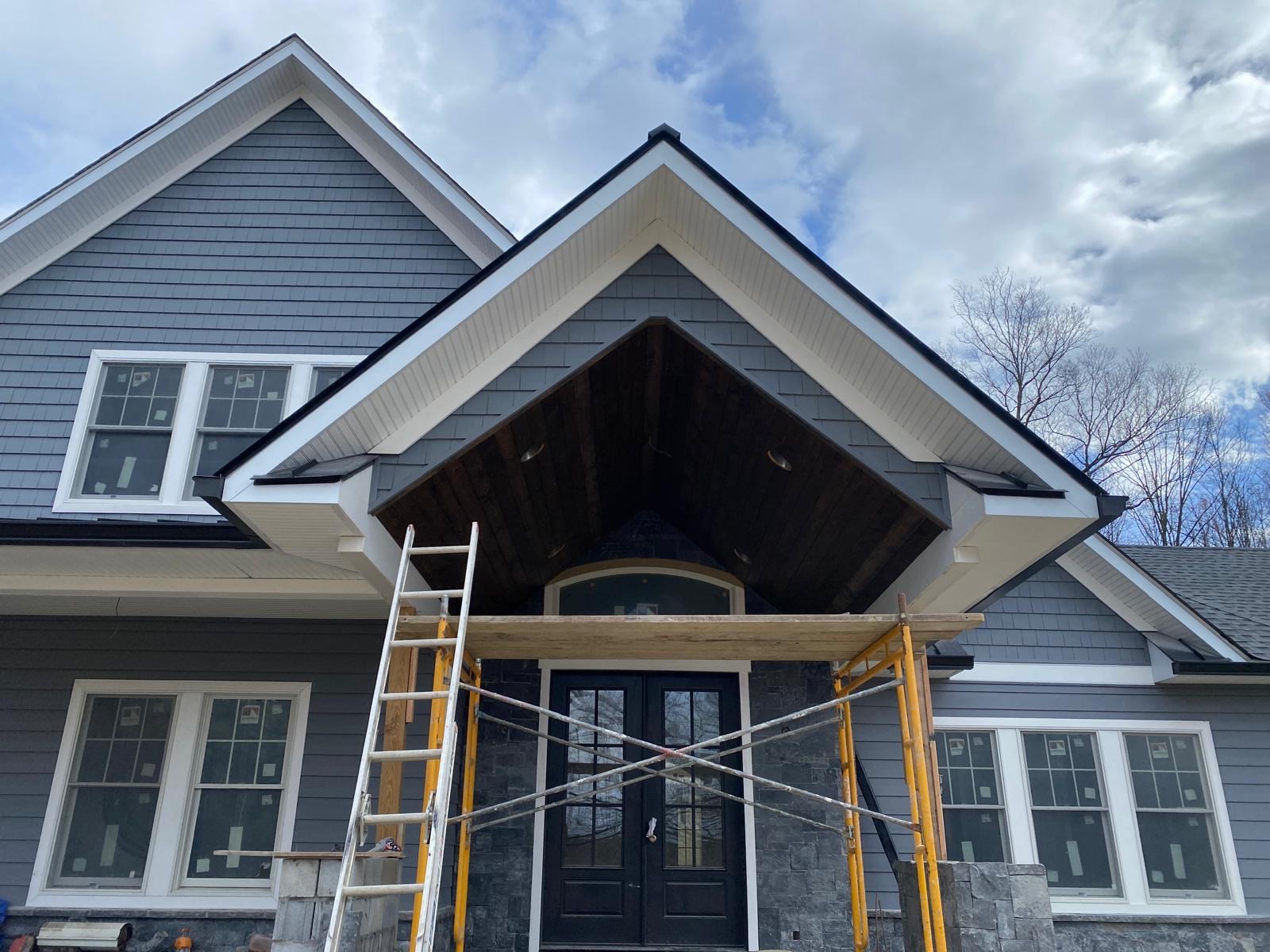
When homeowners think about energy-efficient windows, they usually focus on the glass — double pane, low-E coatings, argon gas. All of that matters. But the single biggest factor in whether a window actually performs is how it's installed. Even the best window leaks air and water if it's set into a rough opening without proper flashing, insulation, and sealant.
Why Installation Beats the Window
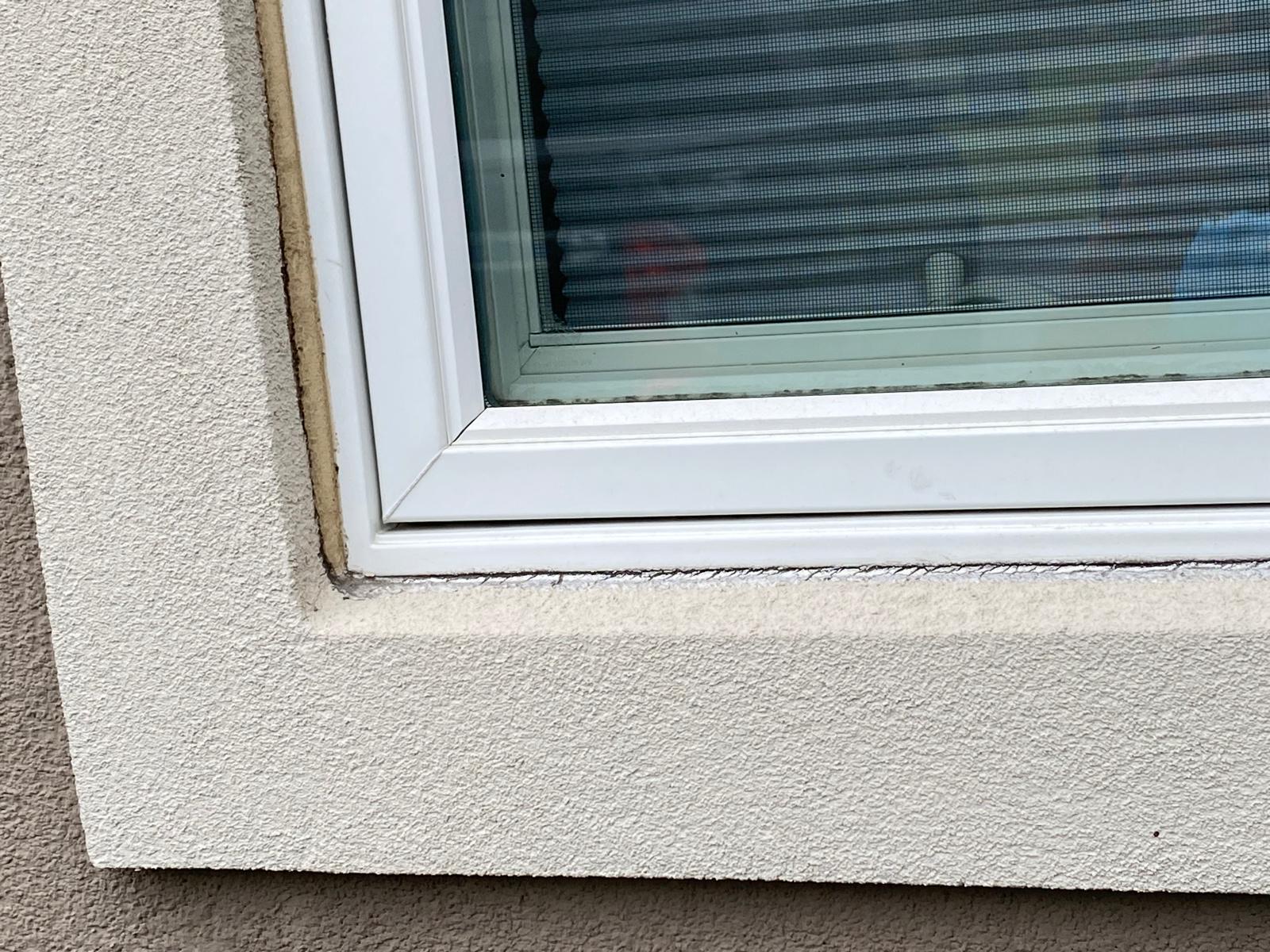
A window sits inside a framed opening in your wall. Around the window is a gap — the shim gap — that has to be filled, sealed, and integrated with the weather barrier. If that gap is left open or filled with the wrong material, air and water move freely between the window frame and the wall.
The result is drafts, cold spots, and eventually moisture damage around the frame — even though the window itself is perfectly fine. The fix isn't a better window; it's a better installation.
Flashing: Directing Water Out, Not In
Water that reaches a window opening has to be directed back out, not trapped inside the wall. That's the job of the flashing system:
- A sill pan or flashing tape at the bottom of the opening catches any water that gets past the window and routes it out.
- Side flashing tape integrates with the building's weather barrier so water can't travel behind the window.
- Top flashing overlaps the side flashing so water sheds downward and away.
Done in the right order, this creates a continuous drainage path. Done wrong — or skipped — water finds its way into the wall assembly and causes rot that's expensive to find and fix.
Insulating the Shim Gap
The gap around the window frame should be filled with low-expansion foam, not fiberglass batt. Fiberglass filters air; it doesn't stop it. Low-expansion foam seals the gap, insulates, and accommodates the small movements a window goes through with temperature changes.
Over-foaming can bow the frame, so the right material and the right amount matter. We foam, then seal the perimeter inside and out, and finish with trim that ties the window into the wall cleanly.
Replacement vs. New Construction Windows
Replacement (or retrofit) windows install into the existing frame without disturbing the surrounding siding or trim. They're faster and less invasive, and they make sense when the existing frame is sound and the siding is staying.
New construction windows include their own nailing fin and install directly into the rough opening, integrated with the weather barrier and siding. This is the better choice during a siding replacement or new build, because the flashing can be done as a complete system. Our window installation service handles both.
Will New Windows Lower My Bills?
Properly installed, insulated, and sealed windows reduce drafts and heat loss. Most homeowners notice the comfort improvement first — fewer cold spots and less condensation — and see heating cost savings over time. The key word is properly installed; a window that's just dropped into an opening won't deliver those benefits.
Thinking About New Windows?
If your windows are drafty, hard to operate, or showing condensation between the panes, we'll assess them and give you a free estimate. We install windows the right way — flashed, insulated, and sealed — so they perform the way they're meant to.